Blog

  • Akshata from Ram Mandir offered to Amma

    Akshata from Ram Mandir offered to Amma

    6 Jan 2024, Amritapuri Ashram

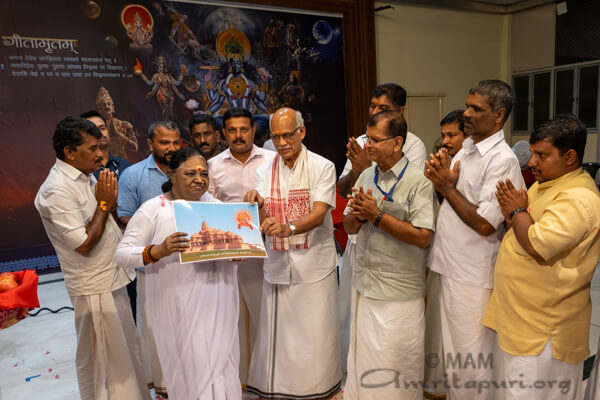
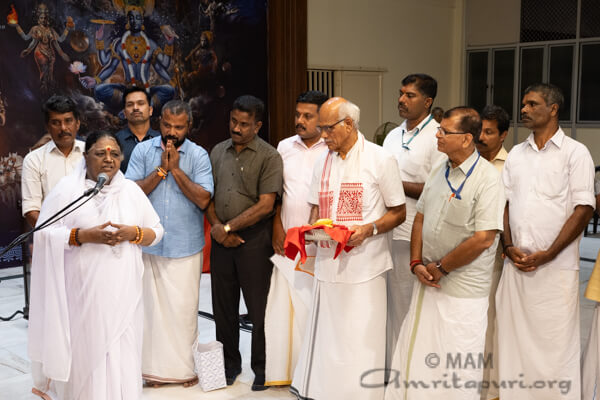
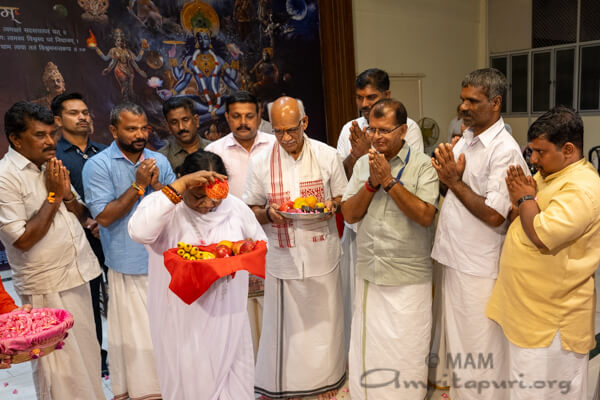
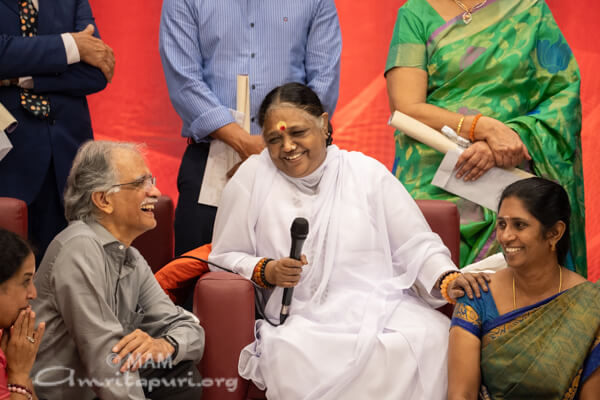
    Senior Pracharak of Kerala, S Setu Madhavan, and fellow Pracharaks visited the ashram, presenting Akshata from Ayodhya Ram Mandir to Amma.

    Speaking on the blessed occassion Amma said : “What remains constant in our lives and is to be sustained always is Dharma. Only then can peace and prosperity prevail. Heaven is on earth itself, not anywhere else. We can only enjoy it if we sustain Dharma. Sri Rama embodies the principle of Dharma. To awaken that knowledge within and without, and to sustain it, we will light the lamp (during the prana pratishta of Ram Lala on the 22nd). May there be Shanti, peace, and prosperity. May all awaken to that mindset. Offering everything to Paramatman, Amma graciously accepts this Akshata”

    Amma accepts the Akshata from Ayodhya

    -KaliCharan

  • Innovation & Research awards honor outstanding faculty

    Innovation & Research awards honor outstanding faculty

    8 January 2024, Amritapuri Ashram

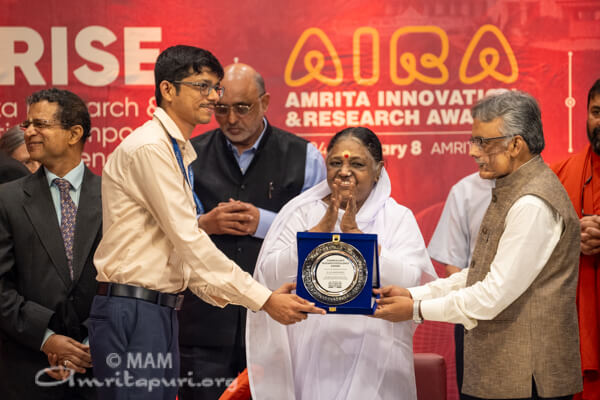
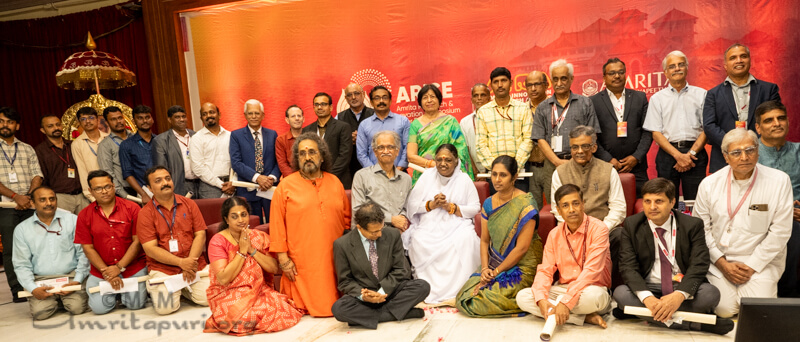
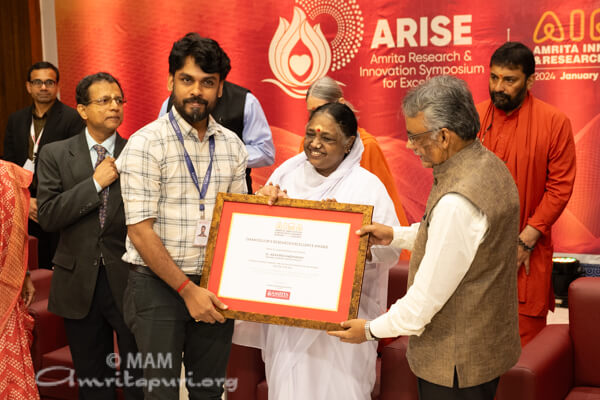
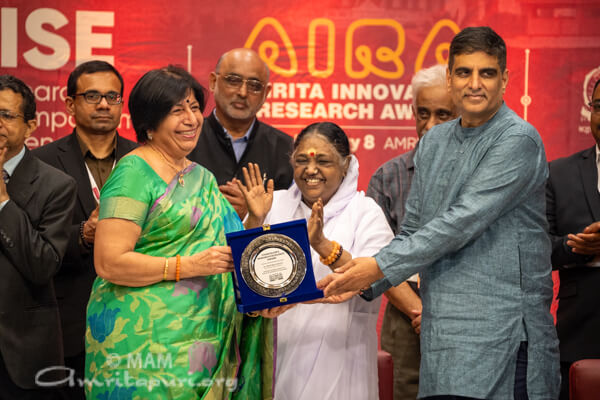
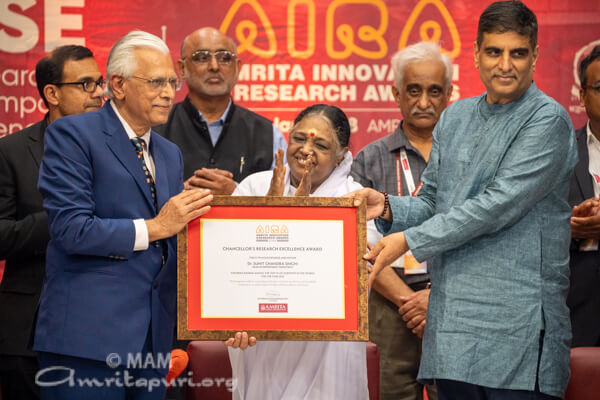
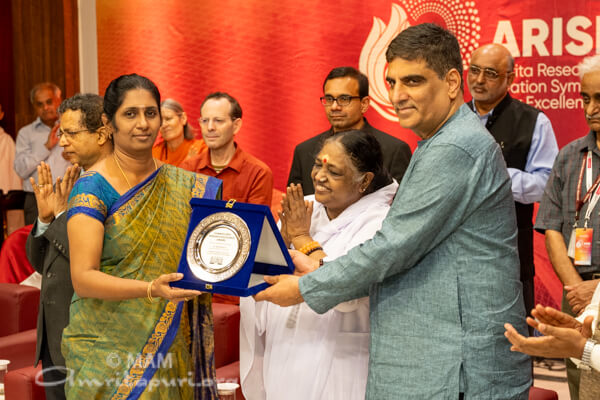
    A momentous celebration of academic excellence unfolded as the Amrita Innovation & Research Awards (AIRA) were bestowed upon 24 distinguished faculty members of Amrita University. Recognizing their exceptional contributions, the awards, including the Chancellor’s Research Excellence Award, Innovation Award, and Publication Excellence Award, were presented with due acknowledgment and honor.

    The ceremony was a highlight of the Amrita Research & Innovation Symposium for Excellence (ARISE) 2024, hosted at the University. With the participation of over 500 faculty members from eight campuses, ARISE 2024 aimed to provide a dynamic platform for top researchers to collaborate, initiating interdisciplinary research initiatives that transcend conventional boundaries and collectively address societal challenges.

    Amma graced the occasion, presenting the top research awards during a special function at the Ashram. The chief guests for the event were Dr. Akhilesh Gupta, Secretary of the Science and Engineering Research Board (SERB), Government of India, and Venu Govinda Raju, Director of the Center for Unified Biometrics and Sensors at the University at Buffalo.

    Dr. Akhilesh Gupta, in his address, expressed that after an audience with Amma, he realized, “more than passion, we need compassion in the fields.” He extended his wish for Amrita University to become the world’s number one university as envisioned by Amma.

    Amma addressing on the occassion

    Amma, in her address, underscored the importance of education for life alongside education for a living. Using a poignant analogy, she conveyed, “Even if the vehicle has diesel in it, if the battery is not there, it will not start. Likewise, self-confidence is the ‘battery’ we need to ignite and move forward in our journey. Even if you are not able to see anything, don’t lose your confidence in your research work; keep doing, keep going forward,” providing encouragement and inspiration to the researchers.

    Faculties who received the AIRA award pauses for a photo with Amma

    The AIRA awards and ARISE 2024 collectively stand as a testament to Amrita University’s commitment to fostering a culture of compassion-driven research, innovation, and collaboration. This commitment propels the institution toward new heights of academic excellence.

    -KaliCharan

  • Prana Pratishta in Ayodhya: Resurrection of Bharat

    Prana Pratishta in Ayodhya: Resurrection of Bharat

    22 Jan 2024, Amritapuri Ashram:

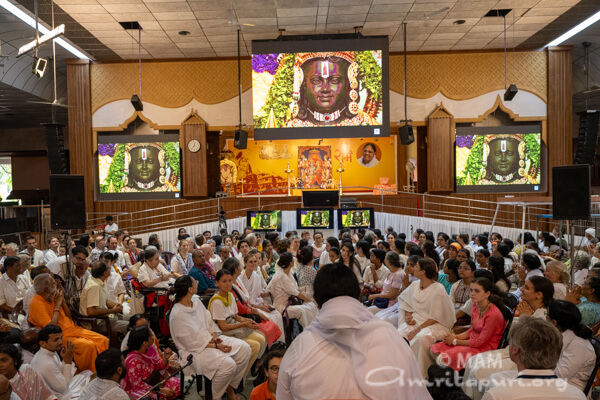
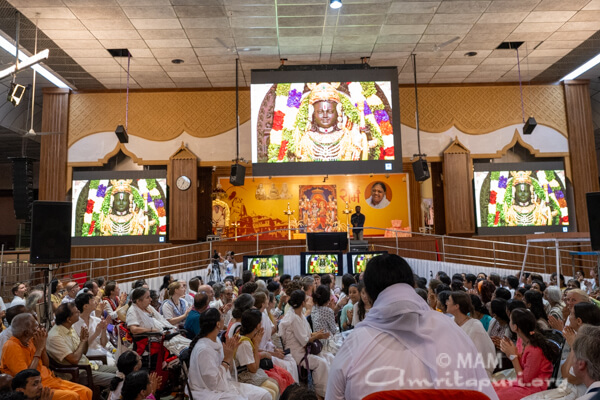
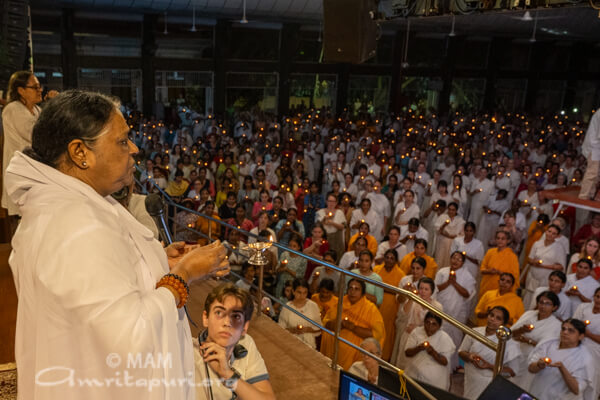
    In a sacred and joyous gathering, Amma, surrounded by Ashram residents and devotees, observed the Prana Pratishta of the Sri Ram temple in Ayodhya. Seated at the heart of the hall, Amma watched the entire ceremony unfold on a large screen, immersing herself in the program. Following the pratishta, Amma graced the assembly with the soul-stirring rendition of a few Sri Ram bhajans.

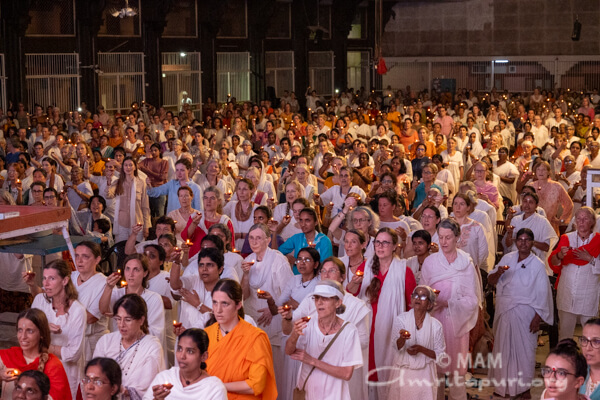
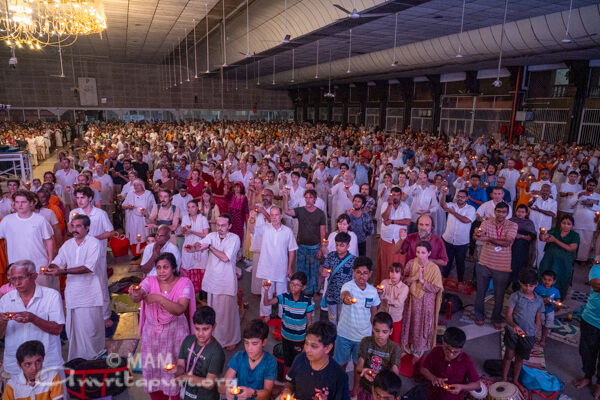
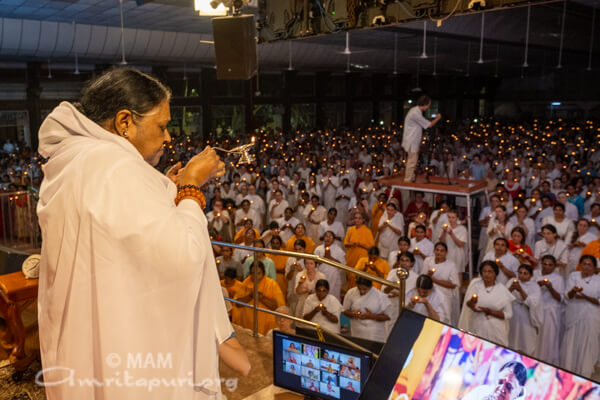
    Later in the evening, the atmosphere glowed with the warm light of lamps, joining with the Sri Rama devotees all over the world. Amma, before lighting the ceremonial lamp, addressed the gathering, Amma shared profound insights with the devotees.

    “For Sri Rama devotees, this marks a moment of awakening—a resurrection of New India that is Bharat. This belief is deeply rooted in those who follow the path of Sanatana Dharma,” Amma shared, emphasizing the transformative potential of the event. “However, the true awakening, the most transformative resurrection, must occur within each of us. In this very moment, as we light the lamp outside, let us also remember to ignite the inner flame of love, unity, and peace within our own hearts”, Amma urged the devotees.

    As the lamps were lit to express joy and devotion to Sri Rama, a collective chant of “Sree Ram Jai Ram Jai Jai Ram” echoed through the hall, signifying the alignment of external rituals with internal spiritual awakening.

    “Pray for peace, unity, and dharma to prevail in everyone’s heart,” Amma instructed as the devotees chanted, “Loka Samastha Sukhino Bhavantu,” reinforcing the universal prayer for the well-being of all.

    Immersed in a spiritually charged ambiance at the Amritapuri Ashram, every devotee actively engaged and participated in the Prana Pratishta of the Sri Ram temple. This collective experience cultivated a profound sense of awakening, unity, and inner transformation among the participants.

    -KaliCharan

  • Fulfill our responsibilities to Bharatamba

    Fulfill our responsibilities to Bharatamba

    26 Jan 2024, Amritapuri Ashram

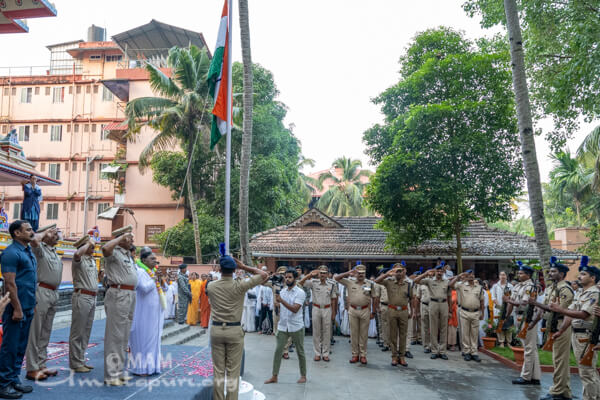
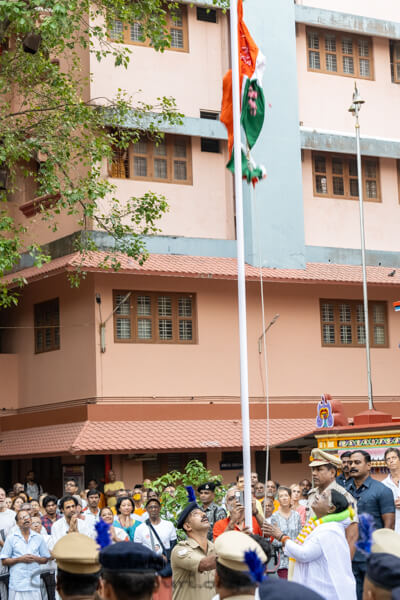
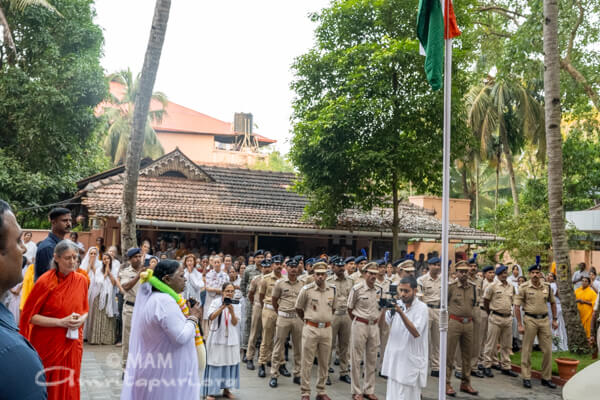
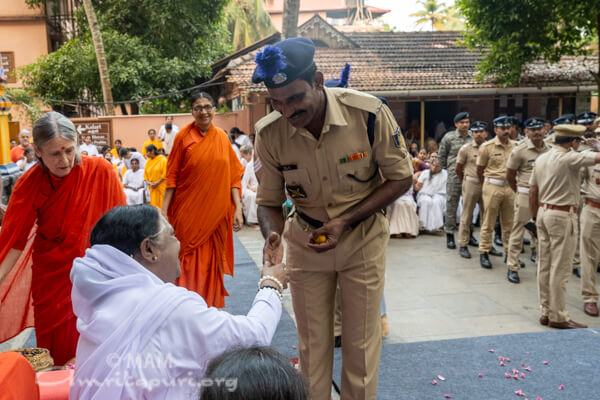
    As India joyously celebrated its Republic Day 2024, the spirit of patriotism echoed through the serene grounds of Amritapuri Ashram. A modest yet heartfelt function unfolded to mark this significant day, bringing together CRPF military personnel, security guards, and Kerala police in a united spirit.

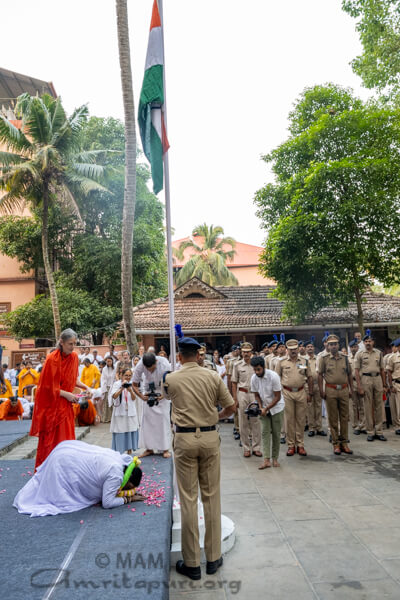
    Against the backdrop of the Kali Temple, Amma took the honor of hoisting the National flag. As the tricolor unfurled, the air resonated with the soul-stirring notes of the National Anthem, and a collective salute from the military and police personnel adorned the ceremony. Amma, in a gesture of deep reverence, paid her respects by prostrating before the fluttering flag.

    Addressing the gathering, Amma reflected “Today we commemorate the complete freedom that India attained. Today is the anniversary that we got our own Constitution and legal system after the British rule.

    Let us remember and honor the sacrifices made by patriots who laid down their lives for the freedom of our country. By embracing their sacrifices, may our lives become a role model for others to follow.

    It is our duty to fulfill our responsibilities to Bharatamba, Mother India, who has nursed, nurtured and nourished us. May the grace of God bless everyone with peace, harmony, and unity for our Nation.”

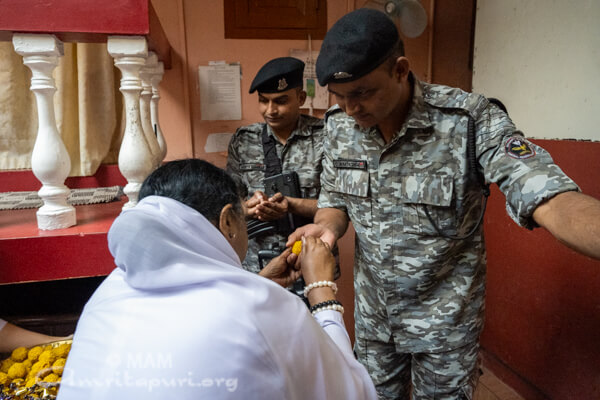
    The celebration concluded with Amma spreading joy by distributing sweets to all the military personnel, symbolizing the sweetness of unity and shared patriotism.

    -KaliCharan

    • Tags
  • 18

    അർജുന ഉവാച

    സംന്യാസസ്യ മഹാബാഹോ
    തത്ത്വമിച്ഛാമി വേദിതും
    ത്യാഗസ്യ ച ഹൃഷീകേശ
    പൃഥക് കേശിനിഷൂദന 1
    അർജ്ജുനൻ ചോദിച്ചു, ഹേ മഹാബാഹോ, ഹേ ഹൃഷീകേശാ, ഹേ കേശവാ ഞാൻ സന്ന്യാസത്തിൻ്റെയും ത്യാഗത്തിൻ്റെയും തത്ത്വം പ്രത്യേകമായി അറിയാൻ ആഗ്രഹിക്കുന്നു.
    ശ്രീഭഗവാനുവാച

    കാമ്യാനാം കർമണാം ന്യാസം
    സംന്യാസം കവയോ വിദുഃ
    സർവകർമഫലത്യാഗം
    പ്രാഹുസ്ത്യാഗം വിചക്ഷണാഃ. 2
    ശ്രീഭഗവാൻ പറഞ്ഞു, ഫലമുദ്ദേശിച്ചുള്ള കർമ്മങ്ങളെ വെടിയലാണു സന്ന്യാസമെന്നു ജ്ഞാനികൾ അറിയുന്നു. സർവ്വകർമ്മഫലങ്ങളെയും ത്യജിക്കുന്നതാണു ത്യാഗം എന്നു പറയപ്പെടുന്നതു്.

    ത്യാജ്യം ദോഷവദിത്യേകേ
    കർമ പ്രാഹുർമനീഷിണഃ
    യജ്ഞദാനതപഃ കർമ
    ന ത്യാജ്യമിതി ചാപരേ. 3
    കർമ്മങ്ങളെയെല്ലാം ദോഷമായി കണ്ടു ത്യജിക്കണമെന്നു ചില വിദ്വാന്മാർ പറയുന്നു. യജ്ഞം, ദാനം, തപസ്സു് എന്നീ കർമ്മങ്ങളെ ത്യജിക്കരുതെന്നു വേറെ ചിലർ പറയുന്നു.
    നിശ്ചയം ശൃണു മേ തത്ര
    ത്യാഗേ ഭരതസത്തമ
    ത്യാഗോ ഹി പുരുഷവ്യാഘ്ര
    ത്രിവിധഃ സംപ്രകീർത്തിതഃ. 4

    ഹേ അർജ്ജുനാ, ത്യാഗത്തെക്കുറിച്ചുള്ള എൻ്റെ അഭിപ്രായം കേൾക്കൂ. ത്യാഗം മൂന്നു വിധത്തിലുള്ളതാണെന്നു പറയപ്പെടുന്നു.
    യജ്ഞ ദാന തപഃ കർമ
    ന ത്യാജ്യം കാര്യമേവ തത്
    യജ്ഞോ ദാനം തപശ്ചൈവ
    പാവനാനി മനീഷിണാം. 5

    യജ്ഞം, ദാനം, തപസ്സു് എന്നീ കർമ്മങ്ങളെ ത്യജിക്കരുതു്. അവ നിശ്ചയമായും ചെയ്യപ്പെടേണ്ടതാണു്. യജ്ഞം, ദാനം, തപസ്സു് എന്നിവ വിവേകികൾക്കു മനഃശുദ്ധിയുണ്ടാക്കുന്നവയാണു്.
    ഏതാന്യപി തു കർമാണി
    സംഗം ത്യക്ത്വാ ഫലാനി ച
    കർത്തവ്യാനീതി മേ പാർത്ഥ
    നിശ്ചിതം മതമുത്തമം. 6

    പാർത്ഥാ, ഈ കർമ്മങ്ങൾ (യജ്ഞം, ദാനം, തപസ്സു്) ആസക്തിയും ഫലവുമുപേക്ഷിച്ചു ചെയ്യേണ്ടതാണു് എന്നാണു് എൻ്റെ നിശ്ചിതമായ അഭിപ്രായം.
    നിയതസ്യ തു സംന്യാസഃ
    കർമണോ നോപപദ്യതേ
    മോഹാത്തസ്യ പരിത്യാഗഃ
    താമസഃ പരികീർത്തിതഃ. 7
    നിയതകർമ്മങ്ങളെ (ശാസ്ത്രവിഹിതമായ കർമ്മങ്ങളെ) ത്യജിക്കുവാൻ പാടുള്ളതല്ല. മോഹത്താൽ അവയെ ത്യജിക്കുന്നതു താമസികമായ ത്യാഗമാണെന്നു പറയപ്പെടുന്നു.
    ദുഃഖമിത്യേവ യത് കർമ
    കായക്ലേശഭയാത് ത്യജേത്
    സ കൃത്വാ രാജസം ത്യാഗം
    നൈവ ത്യാഗഫലം ലഭേത്. 8
    ദുഃഖകരമാണെന്നു കരുതി ശരീരക്ലേശത്തെ ഒഴിവാക്കാനായി കർമ്മം ത്യജിക്കുകയാണെങ്കിൽ അതു രാജസികത്യാഗമാണു്. അതിലൂടെ ശരിയായ ത്യാഗത്തിൻ്റെ ഫലം ലഭിക്കുകയില്ല.
    കാര്യമിത്യേവ യത് കർമ
    നിയതം ക്രിയതേഽർജുന!
    സംഗം ത്യക്ത്വാ ഫലം ചൈവ
    സ ത്യാഗഃ സാത്വികോ മതഃ . 9
    അർജ്ജുനാ, ചെയ്യേണ്ടതാണെന്നുള്ള ബോദ്ധ്യത്തോടെ ശാസ്ത്രവിഹിതമായ കർമ്മം ആസക്തിയെയും ഫലത്തെയും ത്യജിച്ചു ചെയ്യുകയാണെങ്കിൽ അതിനെ സാത്വികത്യാഗമെന്നു പറയുന്നു.
    ന ദ്വേഷ്ട്യകുശലം കർമ
    കുശലേ നാനുഷജ്ജതേ
    ത്യാഗീ സത്ത്വസമാവിഷ്ടോ
    മേധാവീ ഛിന്നസംശയഃ. 10
    സത്വഗുണത്തെ പ്രാപിച്ചവനും ബുദ്ധിമാനും സംശയമില്ലാത്തവനുമായ ത്യാഗി അസുഖകരമായ കർമ്മത്തെ വെറുക്കുകയോ സുഖകരമായ കർമ്മത്തോടു് ആസക്തി കാണിക്കുകയോ ചെയ്യുന്നില്ല.
    നഹി ദേഹഭൃതാ ശക്യം
    ത്യക്തും കർമാണ്യശേഷതഃ
    യസ്തുകർമഫലത്യാഗീ
    സ ത്യാഗീത്യഭിധിയതേ. 11
    ദേഹിക്കു കർമ്മങ്ങളെ തികച്ചും പരിത്യജിക്കുവാൻ സാദ്ധ്യമല്ല. കർമ്മഫലത്തെ ത്യജിക്കുന്നവൻതന്നെയാണു ശരിയായ ത്യാഗി എന്നു പറയപ്പെടുന്നതു്.
    അനിഷ്ടമിഷ്ടം മിശ്രം ച
    ത്രിവിധം കർമണഃഫലം
    ഭവത്യത്യാഗിനാം പ്രേത്യ
    ന തു സംന്യാസിനാം ക്വചിത്. 12
    കർമ്മത്തിൻ്റെ ഫലം സുഖം, ദുഃഖം, സുഖദുഃഖസമ്മിശ്രം എന്നിങ്ങനെ മൂന്നു വിധമാണു്. ത്യാഗികളല്ലാത്തവർക്കു മാത്രമേ ഈ ഫലങ്ങൾ അനുഭവപ്പെടുന്നുള്ളൂ. അല്ലാതെ സന്ന്യാസികൾക്കു് ഒരിക്കലും ഇല്ലതന്നെ.
    പഞ്ചൈതാനി മഹാബാഹോ
    കാരണാനി നിബോധ മേ
    സാംഖ്യേ കൃതാന്തേ പ്രോക്താനി
    സിദ്ധയേ സർവകർമണാം. 13
    ഹേ മഹാബാഹോ, എല്ലാ കർമ്മങ്ങളുടെയും സിദ്ധിക്കായി സാംഖ്യത്തിൽ പറഞ്ഞിരിക്കുന്ന ഈ അഞ്ചു ഘടകങ്ങൾ കേട്ടാലും.
    അധിഷ്ഠാനം തഥാ കർതാ
    കരണം ച പൃഥഗ്വിധം
    വിവിധാശ്ച പൃഥക് ചേഷ്ടാഃ
    ദൈവം ചൈവാത്ര പഞ്ചമം. 14

    അധിഷ്ഠാനമായ ശരീരം, കർത്താവു്, വിവിധകരണങ്ങൾ (ഇന്ദ്രിയങ്ങൾ), വിവിധ ചേഷ്ടകൾ, ദൈവം (വിധി അഥവാ പ്രാരബ്ധകർമ്മം) എന്നിവയാണു് ഈ അഞ്ചു ഘടകങ്ങൾ.
    ശരീരവാങ്മനോഭിർ യത്
    കർമ പ്രാരഭതേ നരഃ
    ന്യായ്യം വാ വിപരീതം വാ
    പഞ്ചൈതേ തസ്യ ഹേതവഃ. 15
    ശരീരം, മനസ്സു്, വാക്കു് എന്നിവയാൽ മനുഷ്യൻ ചെയ്യുന്ന ശരിയോ തെറ്റോ ആയ എല്ലാ കർമ്മങ്ങളുടെയും കാരണങ്ങൾ ഇവ അഞ്ചുമാകുന്നു.
    തത്രൈവം സതി കർതാരം
    ആത്മാനം കേവലം തു യഃ
    പശ്യത്യകൃതബുദ്ധിത്വാത്
    ന സ പശ്യതി ദുർമതിഃ. 16
    അങ്ങനെയിരിക്കെ, കേവലനായ ആത്മാവിനെ കർത്താവായി കാണുന്ന അവിവേകിയായ ദുർമ്മതി യാഥാർത്ഥ്യം അറിയുന്നില്ല.
    യസ്യ നാഹംകൃതോ ഭാവോ
    ബുദ്ധിർയസ്യ ന ലിപ്യതേ
    ഹത്വാപി സ ഇമാംല്ലോകാൻ
    ന ഹന്തി ന നിബദ്ധ്യതേ. 17
    കർതൃത്ത്വഭാവമില്ലാത്തവനും ശുഭാശുഭങ്ങളായ യാതൊന്നിലും ആസക്തമല്ലാത്ത ബുദ്ധിയുള്ളവനുമായ ഒരുവൻ (യുദ്ധം ചെയ്യാനായി വന്നുചേർന്ന) ഈ ജനങ്ങളെയെല്ലാം കൊന്നാലും കൊല്ലുന്നില്ല. അവനെ ആ കർമ്മം ബന്ധിക്കുന്നുമില്ല.
    ജ്ഞാനം ജ്ഞേയം പരിജ്ഞാതാ
    ത്രിവിധാ കർമചോദനാ
    കരണം കർമ കർതേതി
    ത്രിവിധഃ കർമസംഗ്രഹഃ 18
    അറിവു്, അറിയപ്പെടുന്നതു്, അറിയുന്നവൻ എന്നിങ്ങനെ കർമ്മത്തെ പ്രേരിപ്പിക്കുന്ന മൂന്നു ഘടകങ്ങൾ ഉണ്ടു്. കർത്താവു്, കർമ്മം, കരണം (ഇന്ദ്രിയങ്ങൾ) എന്നീ മൂന്നു ഘടകങ്ങൾ കർമ്മത്തിനാധാരമായുണ്ടു്.
    ജ്ഞാനം കർമ ച കർതാ ച
    ത്രിധൈവ ഗുണഭേദതഃ
    പ്രോച്യതേ ഗുണസംഖ്യാനേ
    യഥാവച്ഛൃണു താന്യപി. 19

    ജ്ഞാനവും കർമ്മവും കർത്താവും ഗുണഭേദമനുസരിച്ചു മൂന്നു തരത്തിലാണെന്നു സാംഖ്യത്തിൽ പറയപ്പെടുന്നു. അവയെ കേട്ടാലും.
    സർവഭൂതേഷു യേനൈകം
    ഭാവമവ്യയമീക്ഷതേ
    അവിഭക്തം വിഭക്തേഷു
    തജ്ജ്ഞാനം വിദ്ധി സാത്വികം. 20
    പലതായി പ്രതിഭാസിക്കുന്ന വിഭിന്ന ചരാചരങ്ങളിലെല്ലാം വിഭജിക്കപ്പെടാത്തതും നാശമില്ലാത്തതുമായ ഒരേ തത്ത്വത്തെ ദർശിക്കുന്ന ജ്ഞാനമേതോ അതാണു സാത്വികമായ ജ്ഞാനം.
    പൃഥക്ത്വേന തു യജ്ജ്ഞാനം
    നാനാഭാവാൻ പൃഥഗ്വിധാൻ
    വേത്തി സർവേഷു ഭൂതേഷു
    തജ്ജ്ഞാനം വിദ്ധിരാജസം. 21

    സർവ്വജീവജാലങ്ങളിലും വെവ്വേറെ ജീവാത്മാക്കളാണെന്നും അവ പരസ്പരഭിന്നങ്ങളാണെന്നും ദർശിക്കുന്നതു യാതൊരു ജ്ഞാനമാണോ അതു രാജസമാണു് എന്നു് അറിയുക.
    യത്തു കൃത്സ്നവദേകസ്മിൻ
    കാര്യേ സക്തമഹൈതുകം
    അതത്ത്വാർഥവദല്പം ച
    തത്താമസമുദാഹൃതം. 22
    യാതൊരു ജ്ഞാനമാണോ ഈ ദേഹത്തിൽ എല്ലാമായി, ഇതിനപ്പുറമൊന്നുമില്ല എന്ന ധാരണയോടെ ഒട്ടിനില്ക്കുന്നതു്, യുക്തിരഹിതവും അയഥാർത്ഥവും സങ്കുചിതവുമായ ആ ജ്ഞാനം താമസികമെന്നു പറയപ്പെട്ടിരിക്കുന്നു.
    നിയതം സംഗരഹിതം
    അരാഗദ്വേഷതഃ കൃതം
    അഫലപ്രേപ്സുനാ കർമ
    യത്തത് സാത്ത്വികമുച്യതേ. 23
    ശാസ്ത്രവിഹിതവും ആസക്തിയില്ലാത്തതും രാഗദ്വേഷരഹിതവും ഫലാകാംക്ഷയില്ലാത്ത ഒരു വ്യക്തിയാൽ ചെയ്യപ്പെട്ടതുമായ കർമ്മം സാത്വികം എന്നു പറയപ്പെടുന്നു.
    യത്തു കാമേപ്സുനാ കർമ
    സാഹങ്കാരേണ വാ പുനഃ
    ക്രിയതേ ബഹുലായാസം
    തദ്രാജസമുദാഹൃതം. 24
    ഫലാകാംക്ഷയുള്ള വ്യക്തിയാൽ അഹങ്കാരത്തോടെ വളരെ ആയാസത്തോടെ ചെയ്യുപ്പെടുന്ന കർമ്മം രാജസം എന്നു പറയപ്പെട്ടിരിക്കുന്നു.
    അനുബന്ധം ക്ഷയം ഹിംസാം
    അനവേക്ഷ്യ ച പൗരുഷം
    മോഹാദാരഭ്യതേ കർമ
    യത്തത്താമസമുച്യതേ. 25

    താൻ ചെയ്യുന്ന കർമ്മത്തിൻ്റെ ഭവിഷ്യത്തെന്തായിരിക്കുമെന്നോ അതു ദ്രവ്യനാശമുണ്ടാക്കുമെന്നോ മറ്റുള്ളവർക്കു് ഉപദ്രവമായിത്തീരുമെന്നോ തനിക്കതിനു സാമർത്ഥ്യമുണ്ടോ എന്നുപോലും ചിന്തിക്കാതെ അവിവേകംകൊണ്ടു ചെയ്യുന്ന കർമ്മം താമസികം എന്നു പറയപ്പെടുന്നു.
    മുക്തസംഗോഽനഹംവാദി
    ധൃത്യുത്സാഹസമന്വിതഃ
    സിദ്ധ്യസിദ്ധ്യോർനിർവികാരഃ
    കർതാ സാത്ത്വിക ഉച്യതേ. 26
    ആസക്തിയും അഹന്തയും ഇല്ലാത്തവനും ധൈര്യം, ഉത്സാഹം എന്നിവയുള്ളവനും ജയപരാജയങ്ങളിൽ ഇളകാത്തവനുമായ കർത്താവു സാത്വികനെന്നു പറയപ്പെടുന്നു.
    രാഗീ കർമഫലപ്രേപ്‌സുഃ
    ലുബ്ധോ ഹിംസാത്മകോഽശുചിഃ
    ഹർഷശോകാന്വിതഃ കർതാ
    രാജസഃ പരികീർതിതഃ. 27

    ആസക്തിയുള്ളവനും കർമ്മഫലത്തെ ആഗ്രഹിക്കുന്നവനും പിശുക്കനും ഹിംസാത്മകനും വൃത്തിഹീനനും (ജയപരാജയങ്ങളിൽ) സന്തോഷിക്കുകയും ദുഃഖിക്കുകയും ചെയ്യുന്നവനുമായ കർത്താവു രാജസികനെന്നു പറയപ്പെടുന്നു
    അയുക്തഃ പ്രാകൃതഃ സ്തബ്ധഃ
    ശഠോഽനൈഷ്കൃതികോഽലസഃ
    വിഷാദീ ദീർഘസൂത്രീ ച
    കർതാ താമസ ഉച്യതേ. 28
    സ്ഥിരതയില്ലാത്തവനും പ്രാകൃതനും അഹങ്കാരിയും കപടനും നീചനും അലസനും ദുഃഖിതനും ദീർഘസൂത്രിയുമായ (ചെയ്യാനുള്ള കാര്യങ്ങൾ നീട്ടിവയ്ക്കുന്ന സ്വഭാവമുള്ളയാൾ) കർത്താവു താമസികൻ എന്നു പറയപ്പെടുന്നു.
    ബുദ്ധേർഭേദം ധൃതേശ്ചൈവ
    ഗുണതസ്ത്രിവിധം ശൃണു
    പ്രോച്യമാനമശേഷേണ
    പൃഥക്ത്വേന ധനഞ്ജയ. 29

    ധനഞ്ജയാ, ഗുണങ്ങളുടെ അടിസ്ഥാനത്തിൽ മൂന്നു വിധത്തിലുള്ള ബുദ്ധിയെയും ധൈര്യത്തെയുംകുറിച്ചു ഓരോന്നായി ഞാൻ വിശദീകരിക്കുന്നതു കേട്ടാലും.
    പ്രവൃത്തിം ച നിവൃത്തിം ച
    കാര്യാകാര്യേ ഭയാഭയേ
    ബന്ധം മോക്ഷം ച യാ വേത്തി
    ബുദ്ധിഃ സാ പാർത്ഥ സാത്വികീ. 30

    പാർത്ഥാ, പ്രവൃത്തിമാർഗ്ഗവും നിവൃത്തിമാർഗ്ഗവും, ചെയ്യേണ്ടതും ചെയ്യേണ്ടാത്തതും, ഭയവും അഭയവും, ബന്ധവും മോക്ഷവും അറിയുന്ന ബുദ്ധി സാത്വികബുദ്ധിയാകുന്നു.
    യയാ ധർമമധർമം ച
    കാര്യം ചാ കാര്യമേവ ച
    അയഥാവത് പ്രജാനാതി
    ബുദ്ധിഃ സാ പാർത്ഥ രാജസീ. 31

    ധർമ്മം, അധർമ്മം, ചെയ്യേണ്ടതു്, ചെയ്യേണ്ടാത്തതു് എന്നിവയെ തെറ്റായി അറിയുന്ന ബുദ്ധി രാജസികബുദ്ധിയാകുന്നു.
    അധർമം ധർമമിതി യാ
    മന്യതേ തമസാവൃതാ
    സർവാർത്ഥാൻ വിപരീതാംശ്ച
    ബുദ്ധിഃ സാ പാർത്ഥ താമസീ. 32
    അജ്ഞാനത്താൽ ആവരണം ചെയ്യപ്പെട്ടതുകൊണ്ടു് അധർമ്മത്തെ ധർമ്മമായി തെറ്റിദ്ധരിക്കുകയും സകലതിനെയും നേരെ വിപരീതമായ വിധത്തിൽ അറിയുകയും ചെയ്യുന്ന ബുദ്ധി താമസികബുദ്ധിയാകുന്നു.
    ധൃത്യാ യയാ ധാരയതേ
    മനഃപ്രാണേന്ദ്രിയ ക്രിയാഃ
    യോഗേനാവ്യഭിചാരിണ്യാ
    ധൃതിഃ സാ പാർത്ഥ സാത്വികീ. 33
    മനസ്സിൻ്റെയും പ്രാണൻ്റെയും ഇന്ദ്രിയങ്ങളുടെയും വ്യാപാരങ്ങളെ ഒട്ടും വ്യതിചലിക്കാത്ത യോഗത്താൽ അടക്കിനിർത്തുന്ന ധൈര്യം (ധൃതി) സാത്വികമാണു്.
    യയാ തു ധർമ കാമാർത്ഥാൻ
    ധൃത്യാ ധാരയതേഽർജുന
    പ്രസംഗേന ഫലാകാംക്ഷീ
    ധൃതിഃ സാ പാർത്ഥ രാജസീ. 34
    പാർത്ഥാ, ധർമ്മം, അർത്ഥം, കാമം എന്നിവയെ ആസക്തിയോടെയും ഫലാകാംക്ഷയോടെയും ഉപേക്ഷിക്കാതിരിക്കുന്ന ധൈര്യം രാജസികമാണു്.
    യയാ സ്വപ്നം ഭയം ശോകം
    വിഷാദം മദമേവ ച
    ന വിമുഞ്ചതി ദുർമേധാ
    ധൃതിഃ സാ പാർത്ഥ താമസീ. 35
    ദുർബുദ്ധിയായ ഒരുവൻ യാതൊരു ധൈര്യത്താൽ നിദ്ര, ഭയം, ദുഃഖം, വ്യസനം, അഹങ്കാരം എന്നിവയെ പരിത്യജിക്കാതിരിക്കുന്നുവോ അതു താമസികമാണു്.
    സുഖം ത്വിദാനീം ത്രിവിധം
    ശൃണു മേ ഭരതർഷഭ
    അഭ്യാസാദ്രമതേ യത്ര
    ദുഃഖാന്തം ച നിഗച്ഛതി. 36
    ഹേ അർജ്ജുനാ, നിത്യപരിചയംകൊണ്ടു യാതൊരു സുഖത്തിൽ മനുഷ്യൻ രമിക്കുകയും ദുഃഖം അറിയാതിരിക്കുകയും ചെയ്യുന്നുവോ മൂന്നു വിധത്തിലുള്ള ആ സുഖത്തെ കേട്ടുകൊള്ളുക.
    യത്തദഗ്രേ വിഷമിവ
    പരിണാമേഽമൃതോപമം
    തത്സുഖം സാത്വികം പ്രോക്തം
    ആത്മബുദ്ധി പ്രസാദജം. 37
    യാതൊരു സുഖം ആദ്യം വിഷംപോലെയും ഒടുക്കം അമൃതുപോലെയും ഇരിക്കുന്നുവോ, ആത്മജ്ഞാനത്തിൻ്റെ പ്രസാദത്തിൽനിന്നുണ്ടാകുന്ന ആ സുഖം സാത്വികമാണു എന്നു പറയപ്പെട്ടിരിക്കുന്നു.
    വിഷയേന്ദ്രിയസംയോഗാത്
    യത്തദഗ്രേഽമൃതോപമം
    പരിണാമേ വിഷമിവ
    തത്സുഖം രാജസം സ്മൃതം. 38
    യാതൊരു സുഖം വിഷയങ്ങളുടെയും ഇന്ദ്രിയങ്ങളുടെയും സമ്പർക്കംകൊണ്ടു് ഉണ്ടാകുന്നവോ, ആദ്യം അമൃതുപോലെയും ഒടുവിൽ വിഷസമാനവുമായിരിക്കുന്നുവോ, ആ സുഖം രാജസികമാണു് എന്നു പറയപ്പെട്ടിരിക്കുന്നു.
    യദഗ്രേ ചാനുബന്ധേ ച
    സുഖം മോഹനമാത്മനഃ
    നിദ്രാലസ്യപ്രമാദോത്ഥം
    തത്താമസാമുദാഹൃതം. 39
    ഉറക്കം, ആലസ്യം, അശ്രദ്ധ എന്നിവയിൽനിന്നു് ഉണ്ടാകുന്നതും തുടക്കത്തിലും ഒടുവിലും ഒരുവനെ മോഹിപ്പിക്കുകയും ചെയ്യുന്ന സുഖം താമസികമാണു് എന്നു പറയപ്പെട്ടിരിക്കുന്നു.
    ന തദസ്തി പൃഥിവ്യാം വാ
    ദിവി ദേവേഷു വാ പുനഃ
    സത്വം പ്രകൃതിജൈർമുക്തം
    യദേഭിഃ സ്യാത് ത്രിഭിർഗുണൈഃ. 40
    പ്രകൃതിജന്യങ്ങളായ ഈ മൂന്നു ഗുണങ്ങളിൽനിന്നു മുക്തമായ യാതൊരു വസ്തുവോ വ്യക്തിയോതന്നെ ഈ ഭൂമിയിൽ മനുഷ്യരുടെയിടയിലോ സ്വർഗ്ഗത്തിൽ ദേവന്മാരുടെ ഇടയിലോ മറ്റെവിടെയെങ്കിലുമോ ഇല്ല.
    ബ്രാഹ്മണക്ഷത്രിയവിശാം
    ശൂദ്രാണാം ച പരന്തപ
    കർമാണി പ്രവിഭക്താനി
    സ്വഭാവപ്രഭവൈർഗുണൈഃ. 41
    അർജ്ജുനാ! ബ്രാഹ്മണൻ, ക്ഷത്രിയൻ, വൈശ്യൻ, ശൂദ്രൻ എന്നിവരുടെ കർമ്മങ്ങൾ സ്വഭാവജന്യമായ ഈ ഗുണങ്ങളുടെ അടിസ്ഥാനത്തിൽ വിഭജിക്കപ്പെട്ടിരിക്കുന്നു.
    ശമോ ദമസ്തപഃ ശൗചം
    ക്ഷാന്തിരാർജവമേവ ച
    ജ്ഞാനം വിജ്ഞാനമാസ്തിക്യം
    ബ്രഹ്മ കർമ സ്വഭാവജം. 42
    ശമം (മനഃസംയമനം), ദമം (ഇന്ദ്രിയസംയമനം), തപസ്സു്, ശൗചം, ക്ഷമ, കാപട്യമില്ലായ്മ, ലൗകികവും ആദ്ധ്യാത്മികവുമായ അറിവു്, ഈശ്വരവിശ്വാസം എന്നിവയാണു ബ്രാഹ്മണനു സ്വാഭാവികമായുള്ള കർമ്മങ്ങൾ.
    ശൗര്യം തേജോ ധൃതിർദ്ദാക്ഷ്യം
    യുദ്ധേ ചാപ്യപലായനം
    ദാനമീശ്വരഭാവശ്ച
    ക്ഷാത്രം കർമ സ്വഭാവജം. 43
    ശൂരത്വം, തേജസ്സു്, ധൈര്യം, സാമർത്ഥ്യം, യുദ്ധത്തിൽനിന്നും പിൻതിരിയാതിരിക്കൽ, ദാനം, പ്രഭുത്വം എന്നിവയാണു ക്ഷത്രിയനു സ്വാഭാവികമായുള്ള കർമ്മങ്ങൾ.

    കൃഷി ഗൗരക്ഷ്യവാണിജ്യം
    വൈശ്യകർമ സ്വഭാവജം
    പരിചര്യാത്മകം കർമ
    ശൂദ്രസ്യാപി സ്വഭാവജം. 44
    കൃഷി, പശുവിനെ വളർത്തൽ, കച്ചവടം എന്നിവ വൈശ്യൻ്റെ സ്വാഭാവികകർമ്മങ്ങളാകുന്നു. പരിചാരകവൃത്തി ശൂദ്രൻ്റെ സ്വാഭാവിക കർമ്മമാകുന്നു.
    സ്വേ സ്വേ കർമണ്യഭിരതഃ
    സംസിദ്ധിം ലഭതേ നരഃ
    സ്വകർമനിരതഃ സിദ്ധിം
    യഥാ വിന്ദതി തച്ഛൃണു. 45
    അവനവൻ്റെ കർമ്മത്തിൽ നിഷ്ഠയുള്ള മനുഷ്യൻ സിദ്ധിയെ പ്രാപിക്കുന്നു. സ്വകർമ്മത്തിൽ നിരതനായവൻ സിദ്ധിയെ പ്രാപിക്കുന്നതെങ്ങനെയെന്നു കേട്ടാലും.
    യതഃ പ്രവൃത്തിർഭൂതാനാം
    യേന സർവമിദം തതം
    സ്വകർമണാ തമഭ്യർച്ച്യ
    സിദ്ധിം വിന്ദതി മാനവഃ. 46
    യാതൊന്നിൽനിന്നു സകലപ്രാണികളുടെയും പ്രവൃത്തിയുണ്ടാകുന്നുവോ യാതൊന്നിനാൽ ഈ വിശ്വം അഖിലം വ്യാപ്തമായിരിക്കുന്നുവോ ആ ഈശ്വരനെ അവനവൻ്റെ കർമ്മംകൊണ്ടു് ആരാധിച്ചു മനുഷ്യൻ സിദ്ധിയെ പ്രാപിക്കുന്നു.
    ശ്രേയാൻ സ്വധർമോ വിഗുണഃ
    പരധർമാത് സ്വനുഷ്ഠിതാത്
    സ്വഭാവനിയതം കർമ
    കുർവന്നാപ്നോതി കില്ബിഷം. 47
    ഗുണമില്ലാത്തതാണെങ്കിൽപോലും സ്വധർമ്മം, നല്ലപോലെ അനുഷ്ഠിക്കപ്പെടുന്ന അന്യൻ്റെ ധർമ്മത്തേക്കാൾ ശ്രേഷ്ഠമാകുന്നു. സ്വഭാവാനുസൃതമായ കർമ്മം ചെയ്യുന്നവൻ പാപമടയുന്നില്ല.
    സഹജം കർമ കൗന്തേയ
    സദോഷമപി ന ത്യജേത്
    സർവാരംഭാ ഹി ദോഷേണ
    ധൂമേനാഗ്നിരിവാവൃതാഃ. 48
    ഹേ കൗന്തേയ, ദോഷമുള്ളതാണെങ്കിലും സ്വധർമ്മത്തെ ഉപേക്ഷിക്കരുതു്. തീ പുകകൊണ്ടെന്നപോലെ എല്ലാ കർമ്മങ്ങളും ദോഷങ്ങളാൽ ആവൃതമാണു്.
    അസക്തബുദ്ധിഃ സർവത്ര
    ജിതാത്മാ വിഗതസ്പൃഹഃ
    നൈഷ്കർമ്യസിദ്ധിം പരമാം
    സംന്യാസേനാധിഗച്ഛതി. 49
    എല്ലാ വിഷയങ്ങളിലും അനാസക്തനും മനസ്സിനെ ജയിച്ചവനും ആഗ്രഹങ്ങളില്ലാത്തവനുമായ മനുഷ്യൻ ത്യാഗംകൊണ്ടു നൈഷ്‌കർമ്മ്യത്തെ (താൻ കർമ്മം ചെയ്യുന്നു എന്ന ഭാവമില്ലായ്മയെ) പ്രാപിക്കുന്നു.
    സിദ്ധിം പ്രാപ്തോ യഥാ ബ്രഹ്മ
    തഥാപ്‌നോതി നിബോധ മേ
    സമാസേനൈവ കൗന്തേയ!
    നിഷ്ഠാ ജ്ഞാനസ്യ യാ പരാ. 50

    ഹേ കൗന്തേയാ, ഈ നൈഷ്‌കർമ്മ്യത്തെ പ്രാപിച്ചവൻ ജ്ഞാനത്തിൻ്റെ പരമാവസ്ഥയായ ബ്രഹ്മത്തെ പ്രാപിക്കുന്നതു് എങ്ങനെയെന്നു് എന്നിൽനിന്നു സംക്ഷിപ്തമായി മനസ്സിലാക്കിയാലും.
    ബുദ്ധ്യാ വിശുദ്ധയാ യുക്തോ
    ധൃത്യാത്മാനം നിയമ്യ ച
    ശബ്ദാദീൻ വിഷയാംസ്ത്യക്ത്വാ
    രാഗദ്വേഷൗ വ്യുദസ്യ ച. 51


    പരിശുദ്ധമായ ബുദ്ധിയാൽ യുക്തനായി മനസ്സിനെ ധൈര്യത്താൽ നിയന്ത്രിച്ചു്, ശബ്ദം, സ്പർശം തുടങ്ങിയ വിഷയങ്ങളെ ത്യജിച്ചു്, രാഗദ്വേഷങ്ങളെ അകറ്റി, …
    വിവിക്തസേവീ ലഘ്വാശീ
    യതവാക്കായ മാനസഃ
    ധ്യാനയോഗോപരോ നിത്യം
    വൈരാഗ്യം സമുപാശ്രിതഃ. 52
    …വിജനപ്രദേശത്തു വസിച്ചു്, മിതമായി ആഹരിച്ചു്, ശരീരം, മനസ്സു്, വാക്കു് എന്നിവയെ സംയമിപ്പിച്ചു്, സദാ വൈരാഗ്യത്തോടെ, ധ്യാനയോഗതത്പരനായി…
    അഹങ്കാരം ബലം ദർപം
    കാമം ക്രോധം പരിഗ്രഹം
    വിമുച്യ നിർമമഃ ശാന്തോ
    ബ്രഹ്മഭൂയായ കല്പതേ. 53
    …അഹങ്കാരം, ബലം, മദം, കാമം, ക്രോധം, പരിഗ്രഹം എന്നിവയെ വെടിഞ്ഞു്, നിർമ്മമനായി, ശാന്തനായിരിക്കുന്നവൻ ബ്രഹ്മപദത്തെ പ്രാപിക്കുന്നു.
    ബ്രഹ്മഭൂതഃ പ്രസന്നാത്മാ
    ന ശോചതി ന കാംക്ഷതി
    സമഃ സർവേഷു ഭുതേഷു
    മദ്ഭക്തിം ലഭതേ പരാം. 54
    ബ്രഹ്മഭാവത്തെ പ്രാപിച്ചവൻ പ്രസന്നമായ മനസ്സോടെ, ഒന്നും ആഗ്രഹിക്കുകയോ ഒന്നിലും ദുഃഖിക്കുകയോ ചെയ്യാതെ, സർവ്വജീവികളിലും സമനായി എന്നിൽ പരമമായ ഭക്തിയെ നേടുന്നു.
    ഭക്ത്യാ മാമഭിജാനാതി
    യാവാൻ യശ്ചാസ്മി തത്ത്വതഃ
    തതോ മാം തത്ത്വതോ ജ്ഞാത്വാ
    വിശതേ തദനന്തരം. 55
    ഭക്തികൊണ്ടു്, ഞാൻ എപ്രകാരമുള്ളവനാണെന്നും ആരാണെന്നും തത്ത്വത്തിൽ അറിയുന്നു. എന്നെ തത്ത്വത്തിൽ അറിഞ്ഞതിനുശേഷം എന്നിൽ പ്രവേശിക്കുന്നു.
    സർവകർമാണ്യപി സദാ
    കുർവാണോ മദ്വ്യപാശ്രയഃ
    മത് പ്രസാദാദവാപ്നോതി
    ശാശ്വതം പദമവ്യയം. 56
    എല്ലാ കർമ്മങ്ങളും എപ്പോഴും ചെയ്തുകൊണ്ടു് എന്നെത്തന്നെ ആശ്രയിച്ചുകൊണ്ടിരിക്കുന്നവൻ എൻ്റെ പ്രസാദത്താൽ ശാശ്വതമായ സ്ഥിതിയെ പ്രാപിക്കുന്നു.
    ചേതസാ സർവകർമാണി
    മയി സംന്യസ്യ മത്പരഃ
    ബുദ്ധിയോഗമുപാശ്രിത്യ
    മച്ചിത്തഃ സതതം ഭവ. 57
    എല്ലാ കർമ്മങ്ങളും മനസാ എന്നിൽ സമർപ്പിച്ചു്, ബുദ്ധിയോഗത്തെ ആശ്രയിച്ചു്, മനസ്സിനെ സദാ എന്നിൽത്തന്നെ ഉറപ്പിക്കുക.
    മച്ചിത്തഃ സർവദുർഗാണി
    മത്പ്രസാദാത്തരിഷ്യസി
    അഥ ചേത്ത്വമഹങ്കാരാത്
    ന ശ്രോഷ്യസി വിനങ്ക്ഷ്യസി. 58
    എന്നിൽ മനസ്സുറപ്പിച്ചു നിർത്തിയാൽ എന്റെ പ്രസാദത്താൽ നീ എല്ലാ തടസ്സങ്ങളെയും മറികടക്കും. അഥവാ, അഹങ്കാരത്താൽ എന്റെ ഉപദേശത്തെ തിരസ്കരിച്ചാൽ നീ നശിക്കുന്നതാണു്.
    യദഹങ്കാരമാശ്രിത്യ
    ന യോത്സ്യ ഇതി മന്യസേ
    മിഥ്യൈഷ വ്യവസായസ്തേ
    പ്രകൃതിസ്ത്വാം നിയോക്ഷ്യതി. 59
    അഹങ്കാരം കാരണം നീ ‘ഞാൻ യുദ്ധം ചെയ്യുകയില്ല’ എന്നു കരുതുകയാണെങ്കിൽ നിൻ്റെ ആ നിശ്ചയം വെറുതെയാണു്. പ്രകൃതി (നിൻ്റെ സ്വഭാവം) നിന്നെക്കൊണ്ടു യുദ്ധം ചെയ്യിപ്പിക്കും.
    സ്വഭാവജേന കൗന്തേയ
    നിബദ്ധഃ സ്വേന കർമണാ
    കർതും നേച്ഛസി യന്മോഹാത്
    കരിഷ്യസ്യവശോഽപി തത്. 60
    ഹേ കൗന്തേയ, നിൻ്റെ സ്വഭാവജന്യമായ കർമ്മത്താൽ ബദ്ധനായ നീ യുദ്ധം ചെയ്യാൻ ഇഷ്ടപ്പെടുന്നില്ലെങ്കിലും നിനക്കു് ആ കർമ്മം വിവശനായി ചെയ്യേണ്ടതായി വരും.
    ഈശ്വരഃ സർവഭൂതാനാം
    ഹൃദ്ദേശേഽർജുന തിഷ്ഠതി
    ഭ്രാമയൻ സർവഭൂതാനി
    യന്ത്രാരൂഢാനി മായയാ. 61

    ഹേ അർജ്ജുനാ, ഈശ്വരൻ, മായയാൽ യന്ത്രത്തിൽ കയറ്റിയിരിക്കുന്ന വസ്തുക്കളെയെന്നപോലെ സർവ്വ ജീവികളെയും പ്രവർത്തിപ്പിച്ചുകൊണ്ടു് എല്ലാവരുടെയും ഹൃദയത്തിൽ വസിക്കുന്നു.
    തമേവ ശരണം ഗച്ഛ
    സർവഭാവേന ഭാരത
    തത്പ്രസാദാത് പരാം ശാന്തിം
    സ്ഥാനം പ്രാപ്സ്യസി ശാശ്വതം. 62
    ഹേ ഭാരതാ, നീ ഈശ്വരനെത്തന്നെ സർവ്വാത്മനാ ശരണമടഞ്ഞാലും. ഈശ്വരൻ്റെ പ്രസാദത്താൽ നീ പരമമായ ശാന്തിയെയും ശാശ്വതമായ പദത്തെയും പ്രാപിക്കും.
    ഇതി തേ ജ്ഞാനമാഖ്യാതം
    ഗുഹ്യാദ്ഗുഹ്യതരം മയാ
    വിമൃശ്യൈതദശേഷേണ
    യഥേച്ഛസി തഥാ കുരു. 63

    ഇപ്രകാരം രഹസ്യങ്ങളിൽവച്ചു് ഏറ്റവും രഹസ്യമായ ജ്ഞാനം ഞാൻ നിനക്കു് ഉപദേശിച്ചു കഴിഞ്ഞു. അതിനെക്കുറിച്ചു പൂർണ്ണമായി വിചിന്തനം ചെയ്തു നീ ഇച്ഛിക്കുന്നതുപോലെ ചെയ്യൂ.
    സർവഗുഹ്യതമം ഭൂയഃ
    ശൃണു മേ പരമം വചഃ
    ഇഷ്ടോഽസി മേ ദൃഢമിതി
    തതോ വക്ഷ്യാമി തേ ഹിതം. 64

    എല്ലാറ്റിലും രഹസ്യവും ശ്രേഷ്ഠവുമായ എൻ്റെ വാക്കുകൾ നീ വീണ്ടും കേട്ടാലും. നീ എനിക്കു പ്രിയപ്പെട്ടവനാകയാൽ നിനക്കു ഹിതമായതു ഞാൻ പറയാം.
    മന്മനാ ഭവ മദ്ഭക്തോ
    മദ്യാജീ മാം നമസ്കുരു
    മാമേവൈഷ്യസി സത്യം തേ
    പ്രതിജാനേ പ്രിയോഽസി മേ. 65

    എന്നിൽ മനസ്സുറപ്പിച്ചു് എന്നെ ഭജിക്കൂ. എന്നെ നമസ്‌കരിക്കുകയും ചെയ്യൂ. നീ എന്നെ പ്രാപിക്കുമെന്നു ഞാൻ നിന്നോടു സത്യമായി പ്രതിജ്ഞ ചെയ്യുന്നു. നീ എനിക്കു പ്രിയനാണു്.
    സർവധർമാൻ പരിത്യജ്യ
    മാമേകം ശരണം വ്രജ
    അഹം ത്വാ സർവപാപേഭ്യോ
    മോക്ഷയിഷ്യാമി മാ ശുചഃ. 66

    സർവ്വധർമ്മങ്ങളെയും പരിത്യജിച്ചു് എന്നെ മാത്രം ശരണം പ്രാപിച്ചാലും. ഞാൻ നിന്നെ സകല പാപങ്ങളിൽനിന്നും മോചിപ്പിക്കാം. നീ ദുഃഖിക്കരുതു്.
    ഇദം തേ നാതപസ്കായ
    നാഭക്തായ കദാചന
    ന ചാശുശ്രൂഷവേ വാച്യം
    ന ച മാം യോഽഭ്യസൂയതി. 67
    ഈ ജ്ഞാനം തപസ്സില്ലാത്തവനും ഭക്തനല്ലാത്തവനും നീ ഒരിക്കലും ഉപദേശിക്കരുതു്. കേൾക്കുവാൻ ഇച്ഛയില്ലാത്തവനും എന്നെ നിന്ദിക്കുന്നവനും ഇതു പറഞ്ഞുകൊടുക്കരുതു്.
    യ ഇമം പരമം ഗുഹ്യം
    മദ്ഭക്തേഷ്വഭിധാസ്യതി
    ഭക്തിം മയി പരാം കൃത്വാ
    മാമേവൈഷ്യത്യസംശയഃ. 68
    പരമരഹസ്യമായ ഈ ശാസ്ത്രം ആരാണോ എന്നിൽ പരമമായ ഭക്തിയോടെ എന്റെ ഭക്തന്മാർക്കു് ഉപദേശിക്കുന്നതു് അവൻ എന്നെത്തന്നെ പ്രാപിക്കും എന്നതിനു സംശയമില്ല.
    ന ച തസ്മാന്മനുഷ്യേഷു
    കശ്ചിന്മേ പ്രിയകൃത്തമഃ
    ഭവിതാ ന ച മേ തസ്മാത്
    അന്യഃ പ്രിയതരോ ഭുവി. 69
    മനുഷ്യർക്കിടയിൽ അവനെക്കാൾ എനിക്കു പ്രിയം ചെയ്യുന്നവനായി ആരുമില്ല. ഈ ഭൂമിയിൽ അവനെക്കാൾ പ്രിയതരനായി വേറെയാരും ഉണ്ടാകുകയുമില്ല.
    അധ്യേഷ്യതേ ച യ ഇമം
    ധർമ്യം സംവാദമാവയോഃ
    ജ്ഞാനയജ്ഞേന തേനാഹം
    ഇഷ്ടഃ സ്യാമിതി മേ മതിഃ. 70
    യാതൊരുവൻ ധർമ്മാത്മകമായ ഈ സംവാദത്തെ പഠിക്കുന്നുവോ അവനാൽ ജ്ഞാനയജ്ഞംകൊണ്ടു ഞാൻ യജിക്കപ്പെടുന്നു എന്നാണെന്റെ അഭിപ്രായം.
    ശ്രദ്ധാവാനനസൂയശ്ച
    ശൃണുയാദപി യോ നരഃ
    സോഽപി മുക്തഃ ശുഭാൻ ലോകാൻ
    പ്രാപ്നുയാത് പുണ്യകർമണാം. 71

    ശ്രദ്ധയോടെയും അസൂയയില്ലാതെയും യാതൊരുവനാണോ ഇതു കേൾക്കുന്നതു് അവനും മുക്തനാകുകയും പുണ്യകർമ്മം ചെയ്തവർ പ്രാപിക്കുന്ന ശുഭലോകങ്ങളെ പ്രാപിക്കുകയും ചെയ്യും.

    കച്ചിദേതച്ഛ്രുതം പാർത്ഥ
    ത്വയൈകാഗ്രേണ ചേതസാ
    കച്ചിദജ്ഞാനസംമോഹഃ
    പ്രണഷ്ടസ്തേ ധനഞ്ജയ. 72

    ഹേ പാർത്ഥാ, നീ ഏകാഗ്രചിത്തനായി ഇതെല്ലാം കേട്ടുവോ? നിൻ്റെ അജ്ഞാനത്തിൽനിന്നുണ്ടായ തെറ്റിദ്ധാരണ നശിച്ചുവോ?”
    അർജുന ഉവാച

    നഷ്ടോ മോഹഃ സ്മൃതിർലബ്ധാ
    ത്വത്പ്രസാദാന്മയാച്യുത
    സ്ഥിതോഽസ്മി ഗതസന്ദേഹഃ
    കരിഷ്യേ വചനം തവ. 73
    അർജ്ജുനൻ പറഞ്ഞു, ”ഹേ അച്യുതാ, അങ്ങയുടെ അനുഗ്രഹത്താൽ എൻ്റെ തെറ്റിദ്ധാരണ ഇല്ലാതായി. എനിക്കു ബോധം ഉണ്ടാകുകയും ചെയ്തു. ഞാൻ സന്ദേഹമറ്റവനായി; അവിടുത്തെ ഉപദേശമനുസരിച്ചു പ്രവർത്തിച്ചുകൊള്ളാം.”
    സഞ്ജയ ഉവാച

    ഇത്യഹം വാസുദേവസ്യ
    പാർത്ഥസ്യ ച മഹാത്മനഃ
    സംവാദമിമമശ്രൗഷം
    അദ്ഭുതം രോമഹർഷണം. 74
    സഞ്ജയൻ പറഞ്ഞു, ”ഇപ്രകാരം വാസുദേവനായ ശ്രീകൃഷ്ണൻ്റെയും മഹാനായ അർജ്ജുനൻ്റെയും അദ്ഭുതകരവും രോമാഞ്ചജനകവുമായ സംവാദം ഞാൻ കേട്ടു.
    വ്യാസപ്രസാദാത് ശ്രുതവാൻ
    ഏതദ് ഗുഹ്യമഹം പരം
    യോഗം യോഗേശ്വരാത് കൃഷ്ണാത്
    സാക്ഷാത് കഥയതഃ സ്വയം. 75

    വ്യാസമഹർഷിയുടെ പ്രസാദത്താൽ അതീവരഹസ്യവും ഉത്കൃഷ്ടവുമായ ഈ യോഗം യോഗേശ്വരനായ ഭഗവാൻ ശ്രീകൃഷ്ണൻതന്നെ പറയുന്നതു ഞാൻ നേരിട്ടു കേട്ടു.
    രാജൻ സംസ്മൃത്യ സംസ്മൃത്യ
    സംവാദമിമമദ്ഭുതം
    കേശവാർജുനയോഃ പുണ്യം
    ഹൃഷ്യാമി ച മുഹുർമുഹുഃ. 76
    ഹേ ധൃതരാഷ്ട്രരാജാവേ, കേശവാർജ്ജുനന്മാരുടെ അദ്ഭുതകരവും പാവനവുമായ ആ സംവാദം ഓർക്കുന്തോറും ഞാൻ വീണ്ടും വീണ്ടും സന്തോഷിക്കുന്നു

    തച്ച സംസ്മൃത്യ സംസ്മൃത്യ
    രൂപമമത്യദ്ഭുതം ഹരേഃ
    വിസ്മയോ മേ മഹാൻ രാജൻ
    ഹൃഷ്യാമി ച പുനഃ പുനഃ. 77
    ഹേ രാജൻ, വിഷ്ണുവിൻ്റെ ആ അദ്ഭുതകരമായ രൂപത്തെ (വിശ്വരൂപത്തെ) ഓർക്കുന്തോറും എനിക്കു വിസ്മയം പെരുകുന്നു, പിന്നെയും പിന്നെയും ആനന്ദവുമുണ്ടാകുന്നു.
    യത്ര യോഗേശ്വരഃ കൃഷ്ണോ
    യത്ര പാർത്ഥോ ധനുർദ്ധരഃ
    തത്ര ശ്രീർവിജയോ ഭൂതിഃ
    ധ്രുവാ നീതിർമതിർ മമ. 78
    എവിടെ യോഗേശ്വരനായ കൃഷ്ണനും വില്ലാളിവീരനായ അർജ്ജുനനുമുണ്ടോ അവിടെ ഐശ്വര്യവും വിജയവും അഭിവൃദ്ധിയും നീതിയും നിശ്ചയമായും ഉണ്ടായിരിക്കുമെന്നാണു് എൻ്റെ അഭിപ്രായം.
    ഓം തത് സത്
    ഇതി ശ്രീമദ്ഭഗവദ്ഗീതാസു ഉപനിഷത്സു
    ബ്രഹ്മവിദ്യായാം യോഗശാസ്ത്രേ
    ശ്രീകൃഷ്ണാർജുനസംവാദേ
    സംന്യാസയോഗോ നാമ
    അഷ്ടാദശോഽദ്ധ്യായഃ
  • lekshmi

    [ngg src=”galleries” ids=”1″ display=”basic_thumbnail” thumbnail_crop=”0″ ngg_proofing_display=”0″]
  • mail 2 amma

    [wpforms id=”73344″ title=”false” description=”false”]

  • Participate in #GitaChallenge for Gita Jayanti 2019

    Hari OM! Namah Shivaya. Om Namo Narayanaya!

    It is common for us to celebrate birthdays as our special day. Our friends and family come together and shower us with attention and love.

    Taking the spirit of this concept forward, let us create a difference by celebrating the birthday of a book – Bhagavad Gita – from now on. Bhagavad Gita, which was revealed to Arjuna by Sri Krishna Himself in the battlefield of Kurukshetra (in present-day Haryana state, 200 km west of New Delhi) on the Shukla Paksha Ekadashi, the 11th day of the waxing moon of Margashirsha month (Dhanu) of the Hindu calendar.

    This conversation was heard by Sanjaya, who had been blessed by Veda Vyasa, with the power to remotely view (Jnana Chakshu) the events taking place on the battlefield as it happened. Sanjaya narrated this conversation to the blind King Dhritarashtra on the 10th day of the Mahabharata war which is when the world knew about it.
    This year’s Gita Jayanthi falls on the 8th of December and she turns 5156 years!!


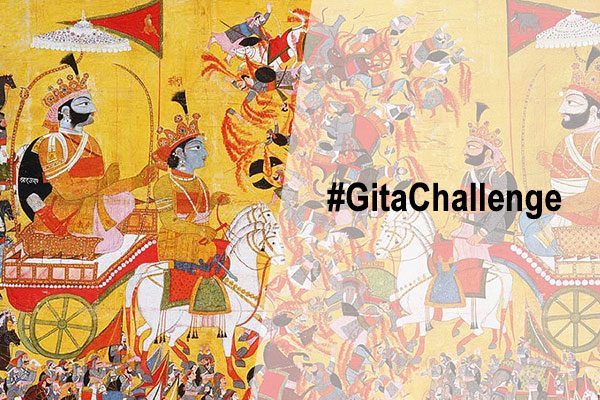
    #GitaChallenge
    On the occasion of ‘Gita Jayanthi’ let us all come together and spread the awareness of ‘Gita for Life’ by being a part of ‘#GitaChallenge’ and participate in this with a spirit of spreading the happiness beyond the boundaries by widening the knowledge about Bhagavad Gita.

    How to participate in #GitaChallenge?
    Participation in this challenge is open to all; young kids to elders all across the globe are welcome.

    Challenge Type1. Pick up any one sloka of your liking from the 700 slokas across 18 chapters of Gita. Chant the sloka and say its meaning.

    Challenge Type2. Along with the chanting of the sloka and its meaning, if you can share your experience of how that particular sloka has helped/ guided/ transformed you in your life, by narrating the actual situation or problem. It should not be more than 3 minutes.

    Challenge Type3. There are many people who may not have social media accounts but have been practising Gita in their lives. You can request them to chant and share their experience and record them in their workplace background to upload with #GitaChallenge hashtag. You may be surprised to find such people very near to you (such as paan-waala, cycle-waala, tea shops vendors, or may-be your own grandmother or grandfather).

    Challenge Type4. If you would like to create any artwork related to Gita you may also post it with #GitaChallenge. You may also post Gita sloka with its meaning and how it has made an impact on your life.

    This challenge can be accepted by uploading your content in Video format and post it on social media –like Facebook, Twitter, Instagram, YouTube etc. – with the hashtag #GitaChallenge.
    You can tag your friends and ask them to take up the challenge. They can be of any age, from any country and in any language.

    You also can talk to your school/college authorities, culture departments etc. and request them to help take up the challenge.


    Why #GitaChallenge?

    The intention behind this challenge is to bring out the relevance of Bhagavad Gita in our daily life where we can connect the slokas to specific instances in our personal, professional or social life. On this special day (Gita Jayanthi) let us remember and cherish this great scripture containing the secret solutions to the ultimate goal of our lives – Happiness. Let us appreciate the beauty of this scripture for being beyond time and space; one can embrace it. Gita has transformed many lives over the ages. Let the ones who were transformed, share with the world, how it can transform anyone.


    When should I start?
    You can take up the #GitaChallenge right away and prepare the videos and post it. Retweet others posts or share again their submissions. Let us not miss this opportunity in challenging people who love, learn and live Gita in their day-to-day life.

    Hari Om Tat Sat.

    Watch some interesting videos from our students.

  • Grab life by the horns: Prasad Deole

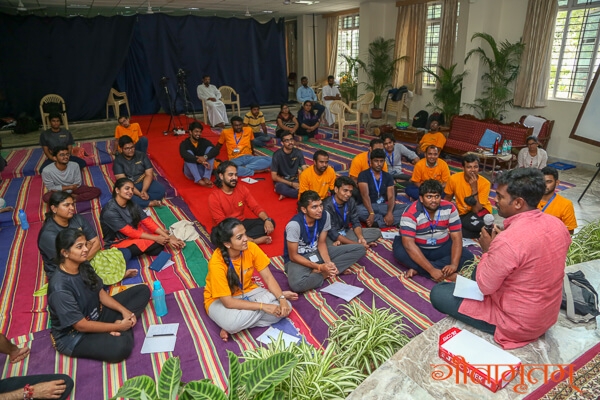
    The session by Mr Prasad Deole, an adventure tourism entrepreneur on ‘My work, My Life’ was an exhilarating account of a journey of success.

    The session was truly an electrifying experience, testified the camp participants unanimously. According to Gayathri, the experience was like ‘’Being in a lab with a professor to see demonstrations of Gita’s applications in real life.’’ As Prasad Deole illustrated Gita concepts with examples from his own life, participants became hooked to his speech and found the unique concept of GPRS -(goal-plan-role-start it) a blueprint for a successful life. With ‘mind-blowing’ answers to almost all questions thrown at him, the articulate Mr Deole became ‘’a role model for the audience to apply Gita in their professional lives in every way possible.’’

    The essence of the session was the importance of discovering your passion as early as possible and pursuing it with all your energy, observed participant Arpit Agrawal. Enjoying work as if it were a game was an invaluable pearl of wisdom and the session also taught him to be shameless in pursuing his goal, he went onto say.

    For Rohith T, the session taught him to be perfect in a way that he doesn’t have to run behind the duties anymore. The duties began to run after him instead, he remarked.

    When you take life as a game, it becomes easy to take a risk, said Shakthi Subramanian. He went onto say that ‘’The session was such a powerful experience which encouraged me to think of starting a company’’. For participant Subhilash, the session was a thought-provoking experience and he considered Deole a man who lives Gita in the modern era, setting a memorable example for everyone else.

    How to put the principles of Gita into practice in work life was the key takeaway of the session for many. Dhanush was one among those who found the Gita to be a treasure trove of ancient wisdom and a valuable handbook for life. Knowledge from the ancient scriptures that stood the test of time, it liberated many participants from ‘Maya’ and enabled them to look at life with a neutral point of view. It was the case of Praveen Raja P who said that the session has given him a pair of brand new eyes to look at life with a new perspective. ‘’I felt like as if a veil was lifted off my eyes. Now I realize that I had been looking at life with a very narrow point of view.’’

    The value of failure as a learning experience, it was a unique insight for me, said Abhishek Ahuja. But the true eye-opener was the realization that ‘Life is too short to waste time on worrying about anything’, he continued, ‘That wisdom enabled me to take life as a game, which is to be enjoyed every moment.’ The session was a truly enriching experience for him, said Ahuja.

    The ability to look at life objectively was a great insight everyone learned from Mr Deole’s session. Realizing the concept of detachment and practising it in real life brought them rich dividends, they said. Yugesh Moturi and Laxmi Narayanan were among those who found the concept of user-ship more interesting than ownership as it allowed you to take a neutral stand in every circumstance.

    The session by Prasad Deole was well-received by the audience and they remarked that it was a very engaging, topical,100% productive and value-added experience. Arun Kumar considered Deole to be a Spiritual businessman who sold ‘the art of pursuing your goals on the face of overwhelming obstructions’. Ashwin Kumar, another participant observed that the session was instrumental in helping him to have a practical, logical approach towards life.


    [ngg src=”galleries” ids=”132″ display=”slideshow”] 

  • Samatva: The way of the Yogi

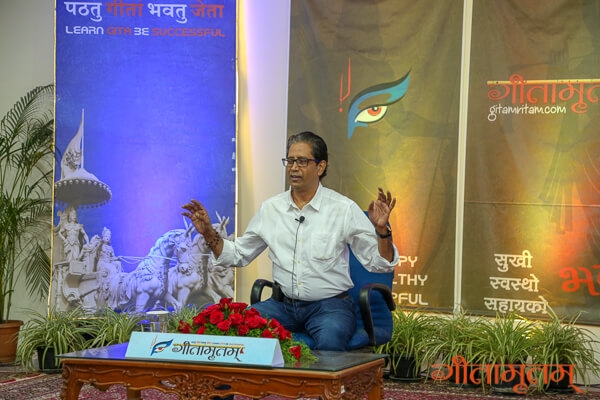
    The ability to look at life with composure is the first step towards becoming a yogi. This capability called Samatva enables one to treat both happiness and sorrow with equanimity. As part of Nipun ’18 camp, a session on this skill was conducted by eminent scholar V. Shankar Kumaran. Prof. Sankar is a passionate research scholar who cherishes his Gurukulam education experience which has empowered him to apply the vast knowledge of Upanishads into day-to-day life situations.

    The participants found the interaction to be a joyous, fun-filled experience and they found the storytelling skills of Prof. Sankar to be amazing and spontaneous.

    For many participants like Arpit Agarwal, sessions like this are a boon to those who are looking to apply the theoretical knowledge of ancient scriptures in real life. Shakthi Subramanian also felt the same way and remarked that if somebody wanted to implement the Gita principles in their life, the session was helpful in connecting the dots from theory to practice. To be level-headed in life is very important, observed Gayathri Sarmishta, who said that you should learn to treat every situation with self-control. ‘’Shankar-ji taught us how to take negativity in positivity and both positivity in negativity.’’, said Arun Kumar S. The session helped him to realize how fragile is human joy and seek real happiness which is an everlasting experience. The concept of being alive at the moment came as a revolutionary revelation and the participants realized that it is where true happiness lies.

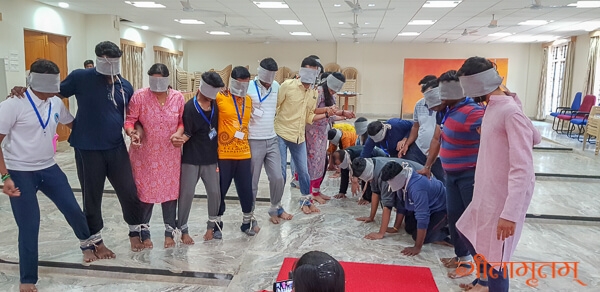
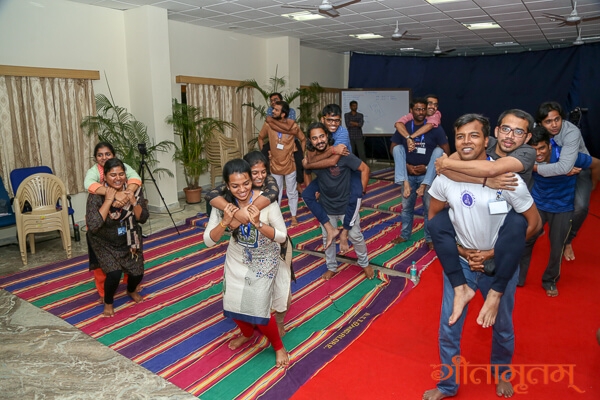
    The way Prof. Sankar conducted the session through activities won the hearts and minds of the participants and many found the experience to be helpful in doing an introspection. It was a refreshing experience for the audience which employed a beautiful & systematic approach towards spirituality through activities, observed Subhilash PS. Getting a deep insight about the way our brain works around success and failure was a great revelation for many, as realized by Abhishek Ahuja. By inventing stories about success and failure to tell ourselves, we’re facing away from reality and fooling ourselves, he remarked. The session has taught him to be honest and find true happiness in mindful actions. Shankar Ji’s expressive way of presentation became an instant hit with youngsters, said Aswin Kumar and expressed his keenness to attend more of his workshops.

    Many participants had issues like overcoming fear and standing up to challenges but the session made them realize their true potential and rise like true warriors. ‘’The message that Arjuna ultimately gained from Gita was ‘get up and fight’ and this was the message I got from Samatva workshop too.’’, said Praveen Raja. The session was truly enlightening and I realized that it is the uncertainty which makes life beautiful, he observed. When the session was over, all of the participants were excited about the soul-stirring experience they had and everyone was keen to attend more workshops of  Shankar Kumaran.


    [ngg src=”galleries” ids=”131″ display=”basic_slideshow”]